
The Archive

Enter the Curated Photographic Record

A measured opening to the northern coast's visual history, gathered from preserved towers, shoreline weather, and working light.

This archive preserves atmosphere, structure, and memory through photographs and accompanying interpretation, so each image can be read as both document and lived coastal story.

Archive photo essay

Where the northern beacons kept watch through salt, fog, and winter light

A curated spread from the coastal record: one weathered station at the center, then the approach and working edges that explain how keepers lived with the sea.

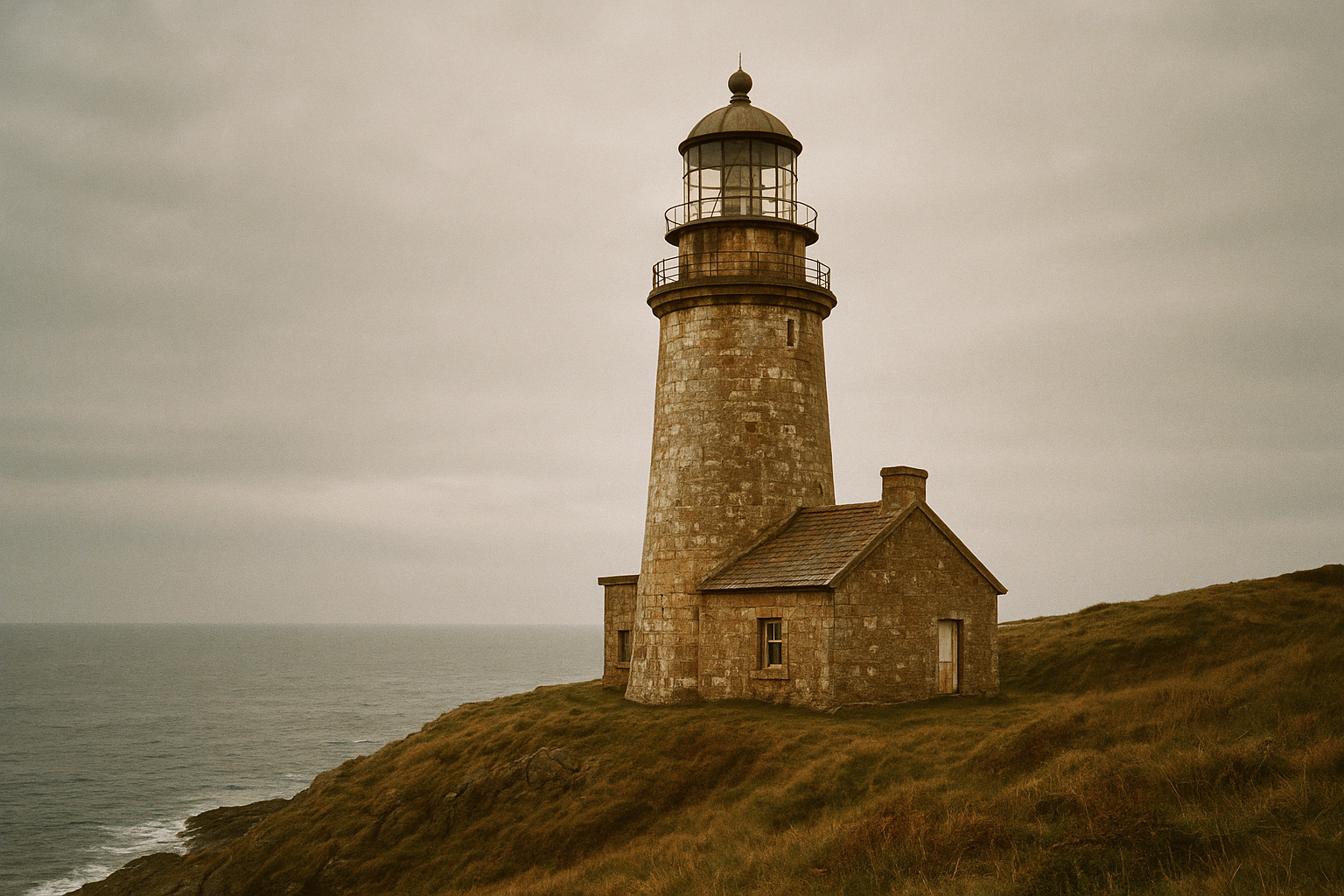
Weathered stone lighthouse and attached coastal signal station on a windswept northern bluff in warm film-photography tones
Plate I · Outer Beacon

By 1912 the station walls were already roughened by blown salt and coal smoke, yet the lantern remained the last fixed light before the shoals turned west.
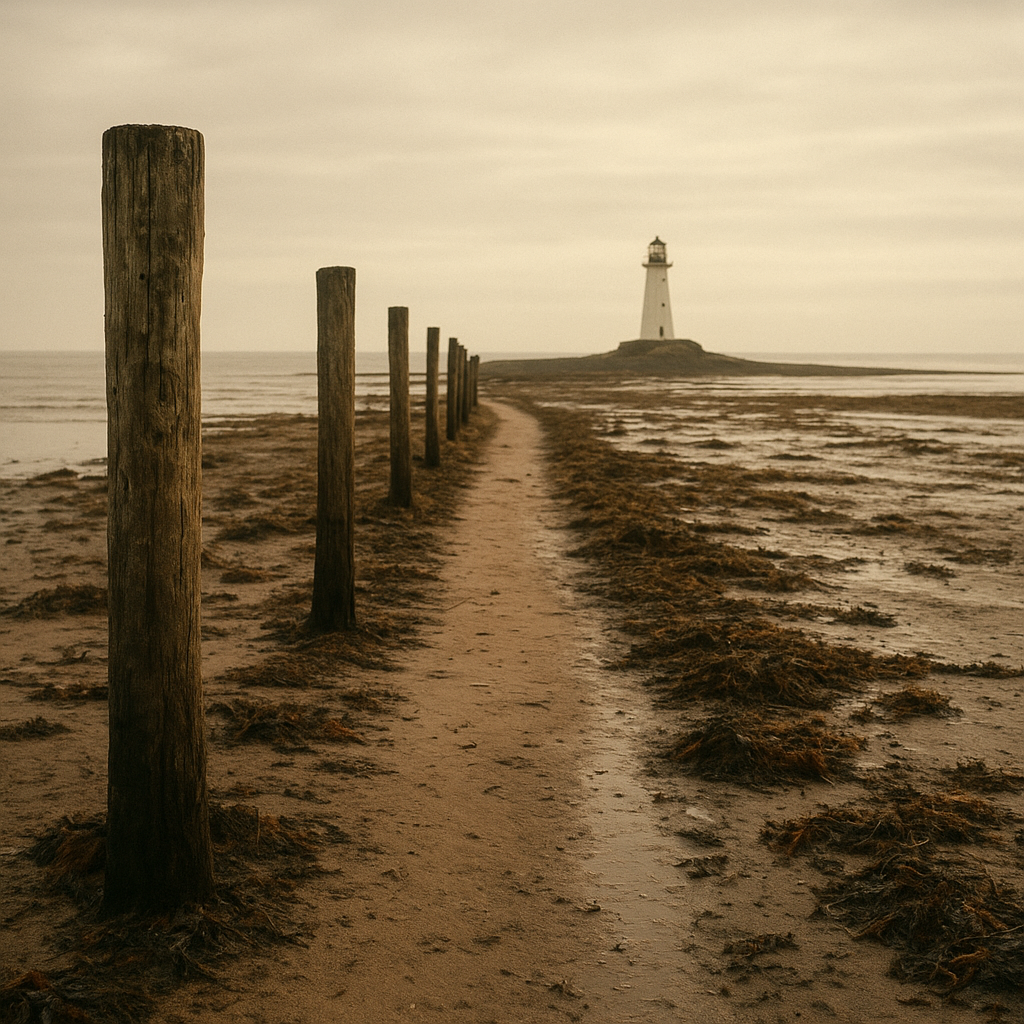
Narrow shoreline path and timber marker posts leading toward the lighthouse point at low tide
The keeper approach road vanished each spring, so supply carts followed this tidal path between marker posts and kelp flats.

Taken together, these frames read less as monuments and more as working evidence: stairs worn by boots, painted iron dulled by weather, and outbuildings that held the routines between storms.
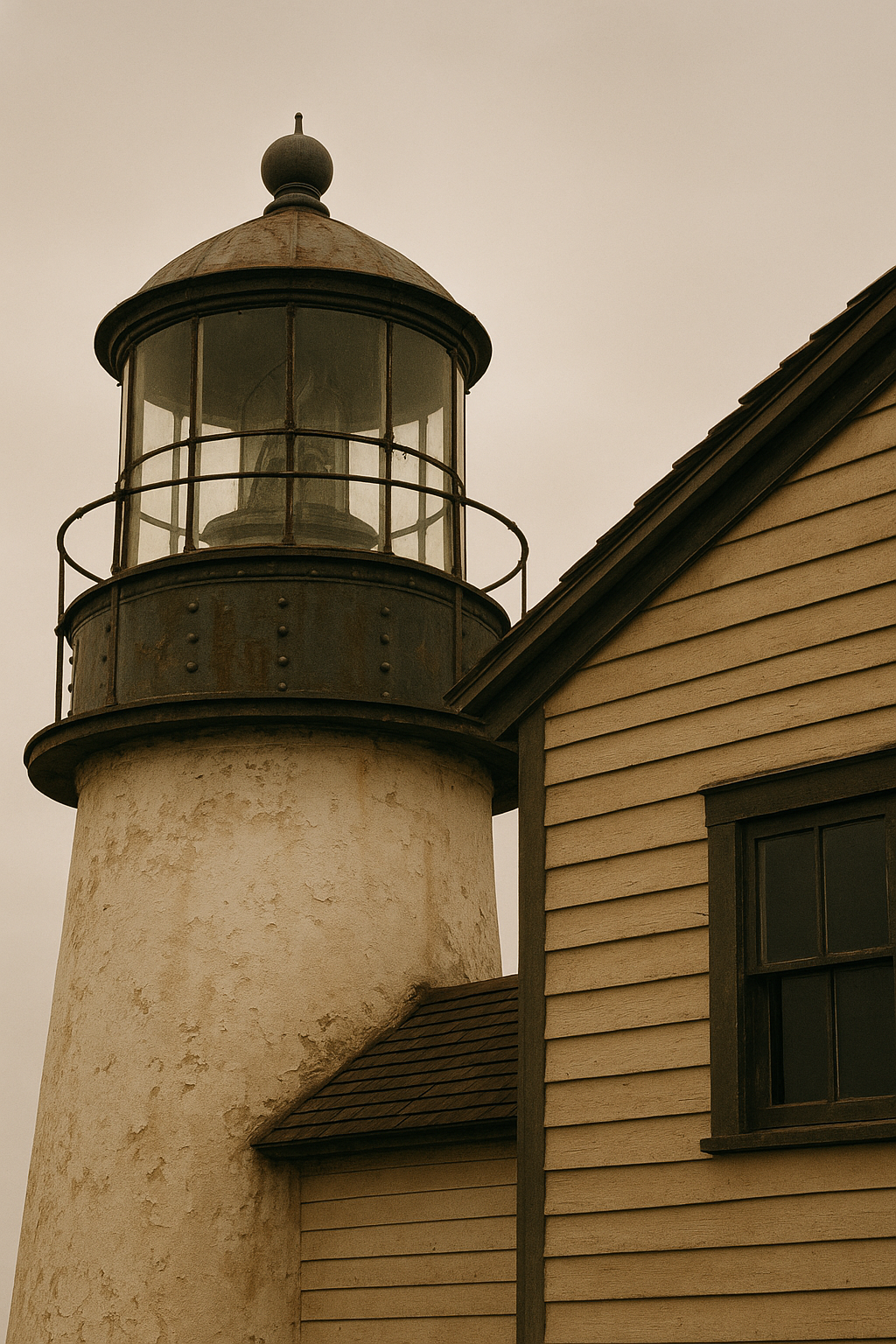
Close documentary view of lantern hardware, riveted tower surface, and adjacent keeper quarters siding
Lantern fittings and keeper siding survive in fragments, recording maintenance craft as clearly as any written log.

Research notes

Frequently asked questions

A quick guide to what this archive includes, how material is interpreted, and how to read keeper narratives in context.

What historical periods are represented in this archive?

Coverage centers on the 19th and early-to-mid 20th centuries, with selective earlier references where documented records clarify how beacon routes evolved.

What source materials are used?

Entries draw from archival photographs, maintenance logs, shipping notices, keeper correspondence, and regional preservation records when provenance can be reasonably verified.

How is the northern coast geographic scope defined?

The guide follows the documented northern shoreline corridor and nearby approach waters, focusing on towers whose operational history is tied to that coastal navigation network.

What does “preserved tower” mean on this site?

It refers to structures or sites with recognized physical conservation, active stewardship, or formally documented remains that preserve architectural or navigational significance.

How are keeper stories presented and interpreted?

Narratives are framed as contextual history rather than legend: quotations and recollections are paired with dates, place notes, and source cues to distinguish record from interpretation.